
Hawaii Airports In Disarray: New Appointment, Same Critical Systemic Failures

Despite numerous articles we’ve authored highlighting the chronic issues plaguing Hawaii’s airport administration, the state continues to struggle with inadequate management and operational inefficiencies. The latest press release from the Hawaii Department of Transportation (HDOT) announced the appointment of Curt Otaguro as Deputy Director of Transportation for Airports, effective June 4, 2024.
This appointment raises questions about whether real change is possible without significant structural reforms, especially since Otaguro has no experience in airport management.

Otaguro will be responsible for management of the 15 airports in the State Airports System. This includes operation, upgrade, and maintenance of airfield and terminal infrastructure to meet Federal Aviation Administration safety standards and customer experience expectations.
Ed Sniffen, HDOT
A band-aid solution to critical infrastructure failures.
The appointment of Otaguro, who previously served as State Comptroller and Deputy Superintendent of Operations for the Department of Education, is being hailed as a positive step by HDOT. However, this move feels more like a superficial fix than a comprehensive solution to the state airport system’s deeply entrenched and troublesome issues.
Hawaii remains one of only three states in the U.S. without a separate, independent airport authority. This lack of independence is widely seen as a major barrier to effective management and accountability.
Beat of Hawaii
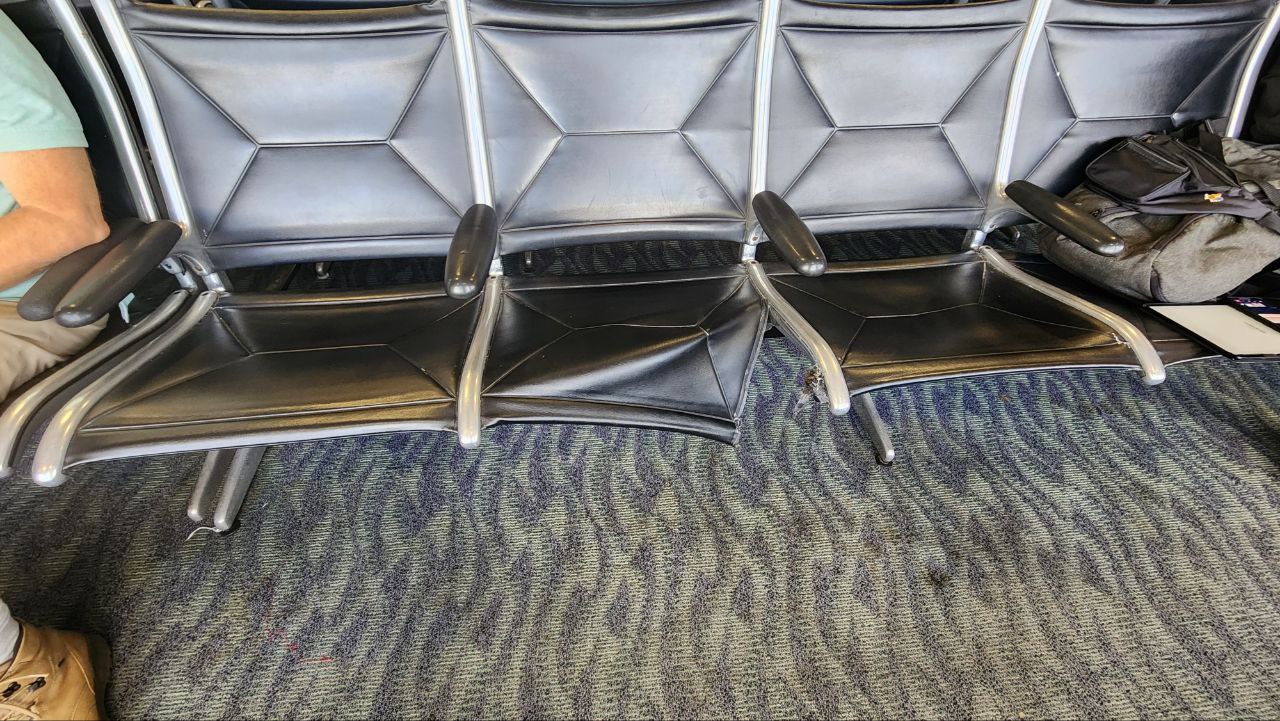
Historical context of Hawaii airports’ under-performance.
For years, Hawaii’s all-important airports have been marred by complaints of poor infrastructure, long wait times, and subpar customer service. Despite some efforts to modernize facilities, at great expense, the overall performance has remained dismal. The HDOT’s reliance on internal appointments and traditional bureaucratic structures has done nothing to alleviate these problems. The ongoing issues at our major airports including Honolulu Airport (HNL) underscore the need for more radical changes.

There is a need for major structural reform at Hawaii airports.
Experts argue that creating an independent airport authority is crucial for improving the performance of Hawaii’s airports. An independent body could streamline operations, help enhance fiscal responsibility, and implement best practices learned from other higher-performing U.S. airports. This model has been successfully adopted throughout the U.S., leading to improved efficiency and customer satisfaction.
Otaguro faces big challenges ahead.
As Otaguro takes on his new role, he faces the daunting task of managing 15 airports within the State Airports System. And he does that without any prior airport management experience.
His responsibilities will include operating, upgrading, and maintaining airfield and terminal infrastructure, areas that have suffered greatly. This is needed to comply with Federal Aviation Administration (FAA) safety standards and to meet Hawaii’s traveler expectations. While his background in managing large-scale facilities and capital improvement projects is at least promising, we find that the scope of systemic issues in Hawaii airport administration may prove challenging to overcome without broader changes.
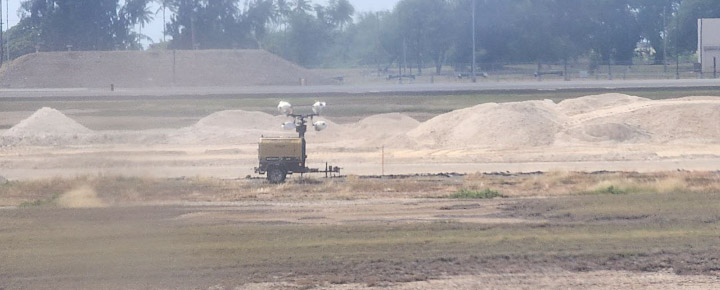
Case in point: Study: Multiple recent runway closures and maintenance issues.
The recent urgent runway closure at Honolulu Airport (HNL), scheduled from May 1 to June 7, 2024, highlights the ongoing infrastructure problems. This closure, needed for runway shoulder paving and drainage work, impacts HNL operations, particularly during peak travel times. The lack of advance notice and the prioritization of mainland flights over interisland flights during the closure remains troubling for the most important airport in our state, which is entirely reliant on both air travel and tourism.
This incident is not isolated. Earlier this year, urgent runway repairs at Kona and Maui airports disrupted operations, reflecting HDOT’s reactive rather than proactive approach to airport maintenance. The pattern of frequent and abrupt notifications of maintenance actions underscores inadequacies in HDOT’s infrastructure management capabilities.
Otaguro’s professional background and potential Impact.
Curt Otaguro brings a diverse background to this new role. According to his LinkedIn profile, he spent 37 1/2 years in banking before retiring. His experience spans credit and debit card operations, payments, project management, product development, retail banking and sales, business development, call center operations, digital and mobile banking, and general IT management.
While his financial acumen and project management skills are impressive, the specific challenges of managing a large and critical state airport system may require a different skill set.
The embarrassing rankings of Hawaii’s airports.
Adding to the criticism of Hawaii’s airports, Hawaii’s two most important airports recently ranked near the bottom of the JD Power survey. Despite billions spent on renovations, Honolulu and Kahului airports were rated poorly across multiple categories, including accessibility, check-in, security, and terminal facilities. These consistently low rankings reflect outdated and inadequate infrastructure and the ongoing failure of effective airport management.
Airlines and Hawaii travelers want better airports.
You’ve said this in countless comments. Airlines, too, have long expressed dissatisfaction with the condition of Hawaii’s airports. Issues such as poor design, dilapidated facilities, broken luggage movers, and frequent power outages have been cited. These inefficiencies in airport operations continue to negatively impact the travel experience for Hawaii visitors and residents alike.
The push for an independent Hawaii Airport Authority.
There is a growing belief that an independent airport authority must address these persistent system-wide problems. Such an authority would provide focused management, dedicated resources, and greater accountability. It would enable quicker decision-making and better strategic planning, free from the significantly broader responsibilities that currently are the responsibility of the HDOT.
While the appointment of Curt Otaguro as the lead and Deputy Director of Transportation for Airports is a step forward, it is hard to imagine how that will result in the transformational change needed to address the chronic troubles of Hawaii’s airports. It seems inevitable that Hawaii must establish an independent airport authority to drive meaningful improvements. Until then, administrative changes, such as this, may only be band-aid solutions to much deeper problems.